When Barack Obama spoke, the message often sounded idealistic. In office, it followed a consistent and practical framework. This article simplifies that framework.
The Core Idea
Obama’s central governing idea was restraint with responsibility.
Instead of acting first and explaining later, his approach emphasized:
• Diplomacy before force
• Multilateral action over unilateral decisions
• Long-term stability over short-term wins
What He Was Responding To
Obama inherited:
• Two major wars
• A global financial crisis
• Damaged international trust
His speeches reflected an attempt to reset how the United States used power.
The Speech vs the Action
What the speeches emphasized
• Cooperation
• International law
• Moral leadership
• Shared responsibility
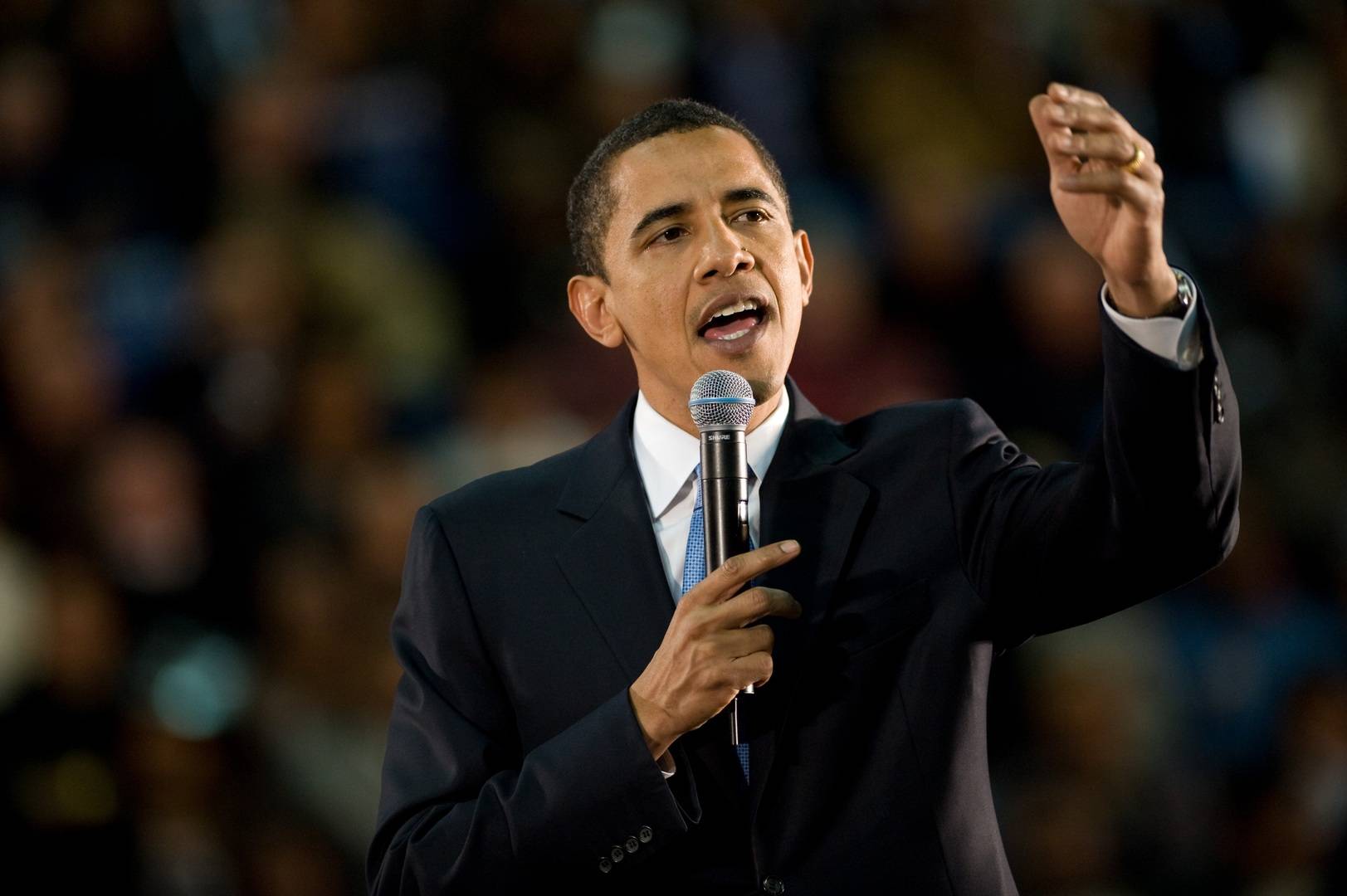

What the policies reflected
• Fewer large-scale troop deployments
• Increased use of sanctions
• Coalition-based military actions
• Strategic withdrawals paired with targeted operations
A Simple Example
Instead of invading new countries:
• Use diplomacy first
• Apply economic pressure second
• Use military force only when narrowly defined
This was visible in:
• Iran nuclear negotiations
• The Paris Climate Agreement
• Limited military involvement in Libya
Why This Confused Many People
Obama’s calm delivery often masked how significant the policy shifts were.
Some critics saw weakness.
Supporters saw restraint.
In reality, it was a deliberate trade-off:
Less visible power, more systemic influence.
The Lasting Impact
Whether praised or criticized, the approach reshaped how:
• U.S. leadership was perceived
• Military force was justified
• Global cooperation was prioritized
Many current global strategies still reflect this framework.
The InsightBridgeHub Takeaway
Obama’s speeches were not just rhetoric.
They were simplified explanations of a governing philosophy focused on reducing chaos rather than dominating outcomes.
Understanding the intent clarifies the decisions.