The idea that moments of happiness take us by surprise, rather than being seized, points to how joy truly enters human life. This article explains that idea without abstraction.
The Core Idea Explained Simply
Happiness is rarely produced on command.
It appears when:
• Attention is relaxed
• Control is loosened
• Expectation is lowered
Trying to force happiness often blocks it. Allowing experience creates space for it.
Why We Cannot Seize Happiness
Seizing implies control and timing.
Happiness does not follow schedules because:
• Emotions respond to meaning, not effort
• Joy emerges from alignment, not pursuit
• Over-monitoring kills spontaneity
The harder happiness is chased, the more artificial it becomes.
A Simple Example


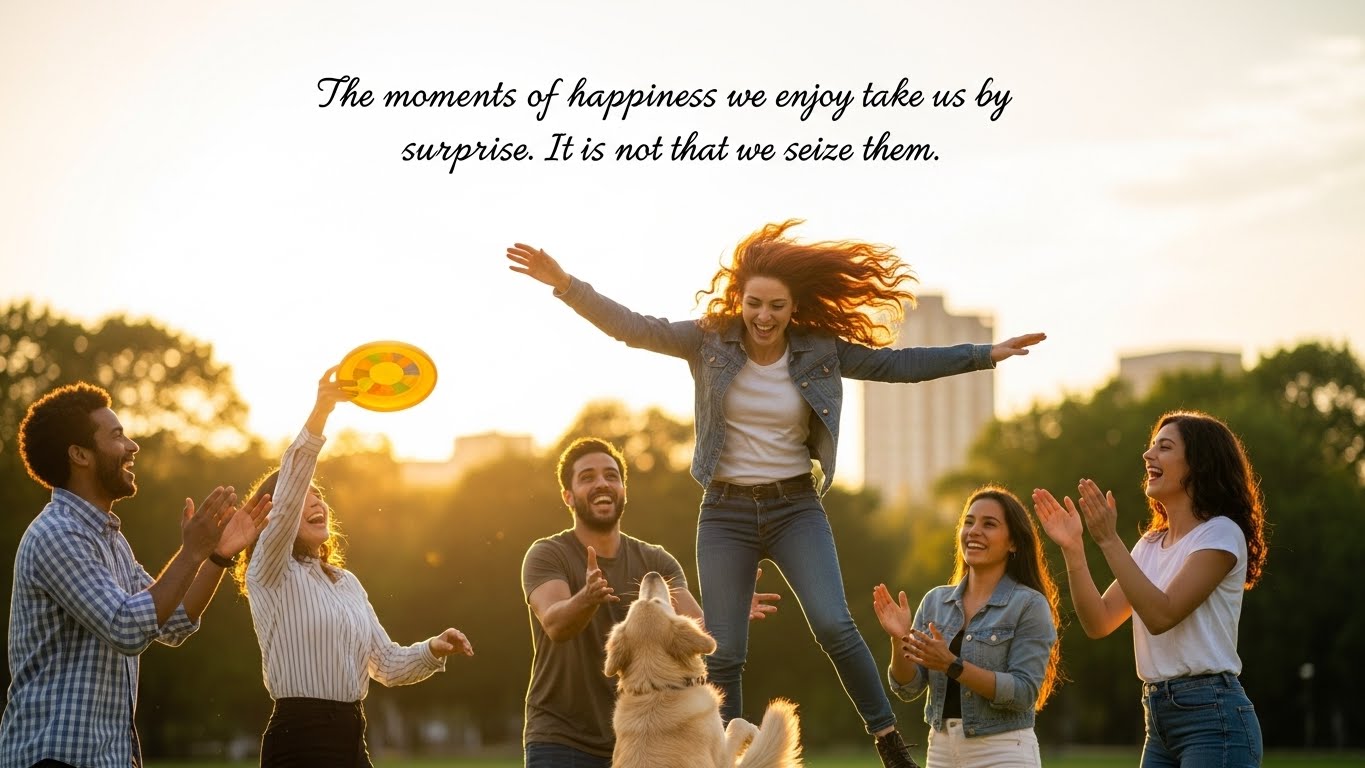
You do not plan the exact second a laugh feels genuine.
You do not schedule when a moment suddenly feels enough.
It happens in between intentions.
The Role of Surprise
Surprise matters because:
• The mind is not guarding expectations
• The moment feels authentic
• Resistance is absent
Happiness often arrives when the mind is elsewhere.
Why This Matters
People often believe happiness is a reward for effort.
In reality:
• Effort builds conditions
• Presence allows experience
• Joy fills the gap
Understanding this reduces frustration and self-blame.
What InsightBridgeHub Clarifies
This idea is not passive thinking.
It explains:
• Why planning joy fails
• Why presence works
• Why happiness feels fleeting but real
You do not seize happiness.
You stop blocking it.
The Takeaway
Happiness is not captured.
It is encountered.
It arrives when attention loosens and life is allowed to happen.